
Pyroluria — in depth
Pyroluria in depth: heme, detoxification and heavy metals
Pyroluria is a disorder of heme production. The body loses vitamin B6, zinc and manganese, detoxification weakens and heavy metals accumulate more easily. We explain the whole mechanism — from heme and the liver to symptoms and support.
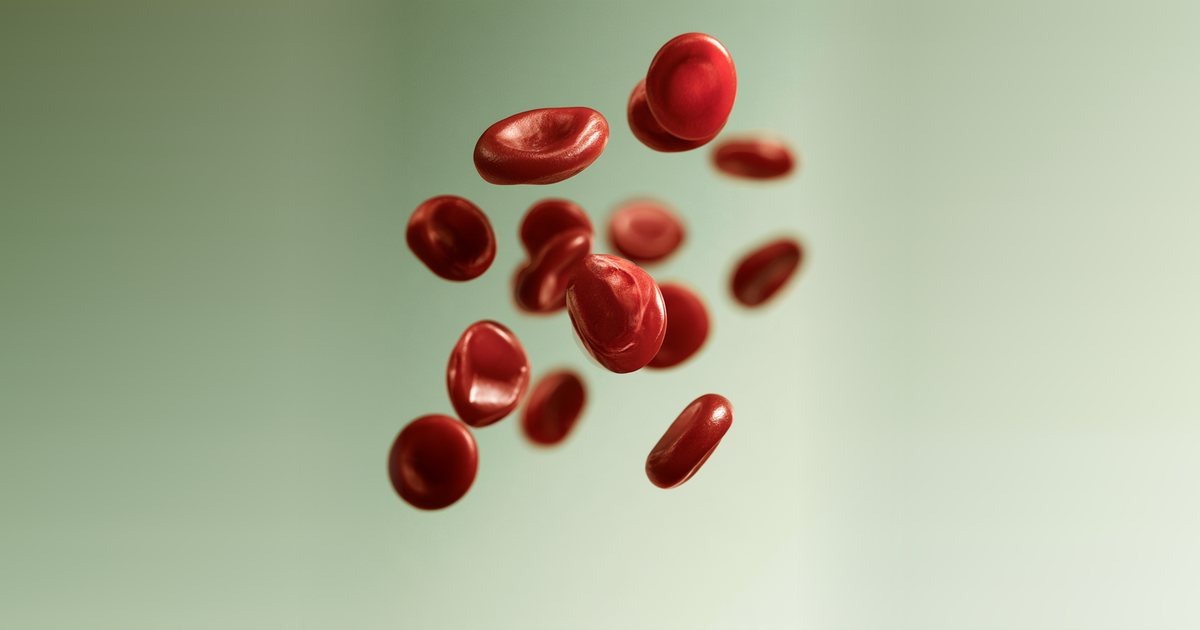
A 25-year-old woman has recurring inflammation of her muscles and tendons, she is exhausted, anxious and her cycle is irregular. She has eight amalgam fillings. After they are removed and metal excretion is supported, she feels only partly better. The turning point comes with a positive pyroluria test and replacement of the missing nutrients — within a few weeks her energy returns and her sleep improves. This case shows why pyroluria can be understood far more broadly than a simple lack of B6 and zinc: as a disorder of heme production that weakens the body’s ability to detoxify.
Typical signs
Do you recognise yourself in any of these?
- morning nausea or severe nausea in pregnancy
- pale face, white spots on the nails, stretch marks
- exhaustion, anaemia, reduced muscle mass
- poor dream recall, weaker short-term memory
- low stress tolerance, sensitivity to light, noise and smells
- blood sugar swings, allergies, food intolerances, irritable bowel
- joint pain, migraines, PMS and an irregular cycle
From the “mauve factor” to HPL
In the 1960s the Canadian psychiatrists Abram Hoffer and Humphry Osmond noticed that the urine of some patients with schizophrenia turned purple after reacting with Ehrlich’s reagent. They called the substance the mauve factor (the word porphyrin itself comes from the Greek porphyreos, purple). In 1969 Donald Irvine identified it in Nature as kryptopyrrole. A letter in Clinical Chemistry (1978), however, showed that it is a different substance — hydroxyhemopyrrolin-2-one (HPL), a product of heme metabolism.
So the substance was misnamed for years. Today the key marker of pyroluria is HPL complexes in urine.
The core of the problem: heme
Heme is a molecule with iron at its centre. It is part of:
- haemoglobin, which carries oxygen to the cells,
- cytochromes in the mitochondria, which produce energy,
- the liver’s cytochrome P450 enzymes, which break down medicines, hormones and foreign substances,
- catalase and other antioxidant enzymes.
The body makes heme in several steps via porphyrins. The first step is controlled by the enzyme ALA synthase, and its essential helper is P5P — the active form of vitamin B6.
In pyroluria several enzymes on the way to heme are weakened by inheritance. The intermediate coproporphyrinogen builds up, the body forms a “faulty” heme from it and excretes it in the urine as HPL complexes. Pyroluria is therefore not a disease in the strict sense, but a disorder of heme metabolism that runs in families.
A lack of heme has direct consequences: cells receive less oxygen, mitochondria produce less energy, the liver breaks substances down more slowly and oxidative stress rises. When heme production is suppressed, metabolic crises can even occur.
Why the body loses B6, zinc and manganese
HPL binds P5P, zinc and sometimes manganese, and all of them leave the body in the urine. It is a constant leak that diet alone cannot make up for — which is why the symptoms cannot be corrected by diet alone.
- Vitamin B6 (P5P) is needed for the metabolism of amino acids, fats and nucleic acids, for making neurotransmitters (serotonin, GABA, dopamine), for breaking down histamine and for making glutathione and cysteine.
- Zinc is needed by the immune system, for vitamin A transport, for activating P5P and by metallothioneins — repair proteins that bind heavy metals and help to excrete them.
- Manganese is part of the antioxidant enzyme superoxide dismutase in the mitochondria and is involved in making dopamine, melanin, insulin and connective tissue.
A lack of these three nutrients shows up as psychological difficulties, skin problems, joint pain and weaker detoxification. We write about the effects on mental health in detail in Pyroluria, anxiety and insomnia.
Pyroluria as a weakness of detoxification
The main organs of detoxification are the liver and the kidneys. The liver breaks down foreign substances in two phases:
- Phase I — cytochrome P450 enzymes oxidise, reduce or split substances and make them reactive. This creates free radicals and sometimes even more toxic intermediates.
- Phase II — the intermediates are bound to glutathione, glycine, glutamine or taurine, become water-soluble and leave through the kidneys.
Both phases need micronutrients — glutathione, vitamins B6, B2, B5, B12 and C, zinc, selenium, magnesium and manganese — and phase I also needs heme. Detoxification enzymes react very sensitively to a lack of nutrients. A person with pyroluria therefore has detoxification weakened from two sides at once: they lack both heme and nutrients. They also typically have low reduced glutathione, whose production depends on B6.
In everyday life this shows, for example, in that people with pyroluria tolerate some medicines less well — a well-known example is local anaesthetics at the dentist.
Heavy metals: a two-way relationship
Heavy metals such as mercury, lead, cadmium and aluminium have a high affinity for the SH groups of proteins. That is exactly how they damage enzymes, mitochondria and genetic information — and also why the body can bind and excrete them. To do so it needs sulphur amino acids, glutathione and zinc-dependent metallothioneins.
Pyroluria and heavy metals affect each other in both directions:
- Heavy metals can trigger pyroluria — besides the inherited form there is an acquired form, which can be set off by amalgam load or an injury to the cervical spine.
- Pyroluria leads to metal accumulation — with weaker detoxification, heavy metals and other toxic substances are stored in the body more easily.
That is why detoxification only succeeds if any pyroluria is treated at the same time. In the orthomolecular approach heavy metals are also a separate biotype and are assessed, for example, with hair analysis. Releasing metals from the body’s stores can temporarily make things worse, so it belongs under professional supervision.
What makes pyroluria worse
Symptoms intensify with:
- stress — both psychological and physical
- infections
- fasting — so it is better not to fast unnecessarily
- porphyrinogenic substances — some medicines and substances containing aluminium or mercury that burden heme production
An acute flare brings colicky pain in the upper abdomen, muscle cramps, muscle weakness and palpitations. These are linked to breakdown products of red blood cells burdening the spleen and liver.
Porphyrinogenic medicines include, for example, some painkillers, antibiotics, blood-pressure medicines and hormones. Short-term use is usually fine; with long-term use it is worth looking for an alternative with your doctor. Never stop any medicine on your own because of this — discuss your list of medicines with your doctor.
What pyroluria is linked with
Pyroluria occurs more often with these conditions:
- mental health: depression, anxiety, panic, bipolar disorder, psychoses, ADHD, autism, addictions, low stress tolerance
- thyroid and immunity: under- and overactive thyroid, Hashimoto’s thyroiditis, primary biliary cirrhosis, eosinophilia
- hormones: PMS, irregular cycle, infertility
- metabolism: hypoglycaemia, type 2 diabetes, mitochondrial disorders
- other: migraines, joint and disc problems, allergies, food intolerances, anaemia
Estimates suggest that more than 10% of women and 1% of men have pyroluria. Among people with chronic complaints the share is even higher — clinical experience suggests up to one in three patients seeking help. The wide list has a simple explanation: almost every organ needs B6, zinc, manganese and heme.
What else is worth measuring
The pyrrole test on its own shows that the body is losing B6 and zinc. For the full picture it is recommended to look at further blood values:
- vitamin B6 (P5P) in whole blood or inside the cells
- the zinc-to-copper ratio — a lack of zinc frees up copper, more in Copper toxicity syndrome
- biotin and other B vitamins
- reduced glutathione and markers of oxidative stress
With unclear complaints it makes sense to rule out other causes too — the thyroid (TSH), histamine and the DAO enzyme, blood sugar and gut permeability. Zinc, copper, B6 and other vitamins and minerals are included in the vitamin and mineral test.
Principles of support
The basis is long-term replacement of what the body loses: active vitamin B6 (P5P), zinc and manganese, together with the other B vitamins, minerals and trace elements in a well-absorbed form. Further recommendations:
- a copper-free multivitamin — copper is an unnecessary burden in pyroluria
- antioxidants and omega-3 and omega-6 fatty acids against oxidative damage to fats in the cells
- with a heavy-metal load, support for excretion — chlorella, coriander, wild garlic — always together with micronutrients
- glutathione, coenzyme Q10 and magnesium
- food and cosmetics with as little toxic load as possible, and avoiding unnecessary fasting
Support belongs in professional hands. Always choose and dose supplements with a doctor or experienced therapist, and with a paediatrician for children.
What to take from this in practice
1. Do you recognise yourself? Complete the free questionnaire — it will suggest whether pyroluria is worth a closer look.
2. Confirm it with a test. The pyroluria test measures pyrroles in urine; discuss the result in a consultation.
3. Set up supplements with a professional. High amounts of B6, zinc and manganese on your own are not safe.
4. Don’t “detox” blindly. Releasing heavy metals belongs under medical supervision.
5. Don’t change medicines on your own. If you take a medicine that may burden heme production, ask your doctor about an alternative.
If you have thoughts of suicide, a marked worsening or psychotic symptoms, contact a doctor or call 112.
This article is educational and describes pyroluria according to the orthomolecular approach, which is not part of standard medical guidelines. It does not replace medical examination or treatment.
Sources
Next step
If you recognise yourself in the description, start with the free 5-minute questionnaire. It will show whether pyroluria is worth a closer look — and which test makes sense first.